


IPL Gothenburg – Stellar M22 for pigmentation, redness and skin rejuvenation
Advanced IPL treatment with the Stellar M22
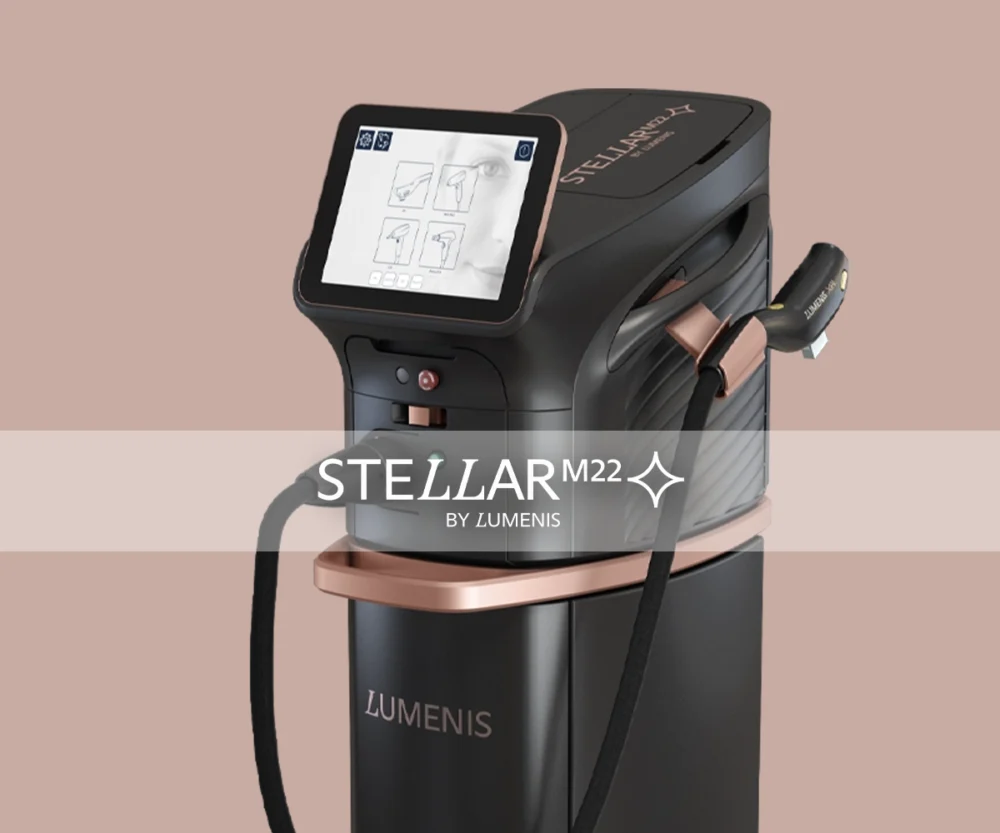
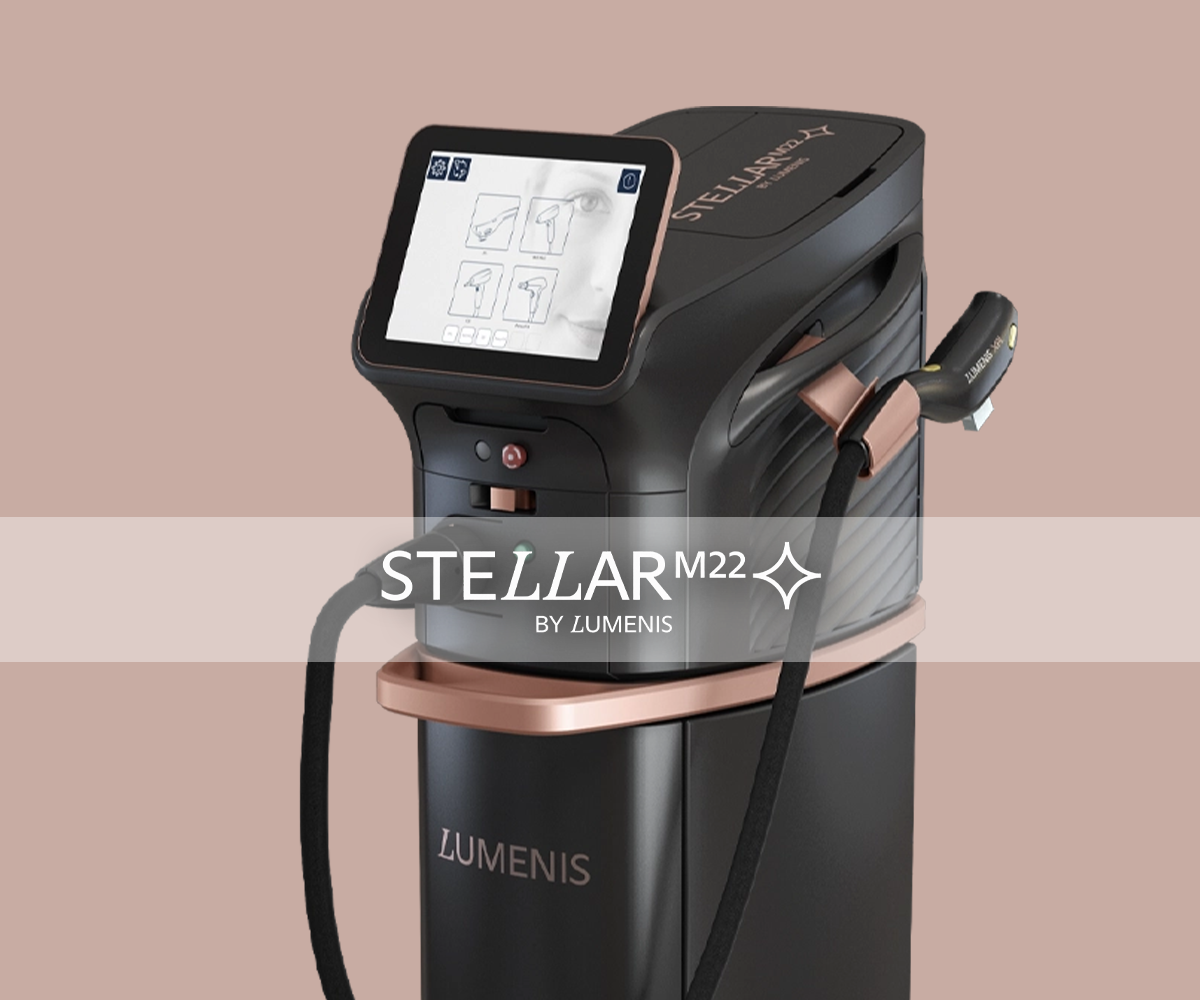
IPL (Intense Pulsed Light) is an advanced light treatment that can be used to treat a wide range of skin conditions. At NYOclinic in Gothenburg, we use the Stellar M22 with XPL™, a modern IPL technology that can be tailored to the skin’s condition and the area to be treated.
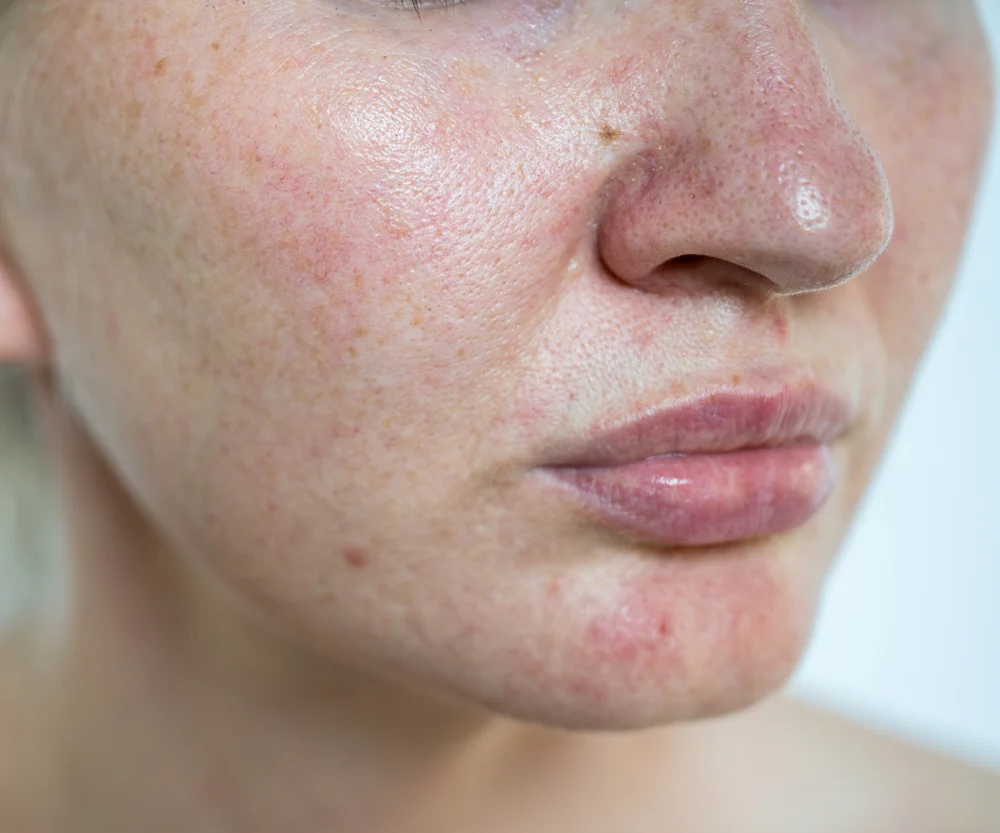
IPL can be used to treat, amongst other things, pigmentation spots, sun damage, redness, superficial blood vessels, rosacea and uneven skin tone. The treatment can also be used for skin rejuvenation and to improve the skin’s texture and radiance.
During a consultation, we will assess your skin and your requirements to determine whether IPL is the right treatment for you.

Greta Öberg
Registered Nurse

Malin Nilsson
Registered Nurse
Vill du veta mer, eller boka en tid? Prata med oss
What is IPL?
IPL stands for Intense Pulsed Light and is a light-based treatment in which broad-spectrum light is directed at the skin. Unlike lasers, which usually use a specific wavelength, IPL can operate across different wavelength ranges and with different filters. The light is absorbed primarily by pigments and blood vessels in the skin. By tailoring the treatment to the skin type, skin condition and treatment area, the energy can be directed towards the area to be treated whilst protecting the surrounding skin. IPL is used, amongst other things, to:
- treat pigmentation spots and sun damage
- reduce visible redness
- treat certain superficial blood vessels
- improve skin tone and texture
- treat certain forms of rosacea
- give the skin a smoother and clearer appearance
- stimulate collagen production in the skin as part of a skin rejuvenation programme
What can IPL treat?
IPL for pigmentation spots and sun damage
IPL can be used to treat certain types of superficial pigmentation changes, such as sun-induced pigmentation spots and uneven skin tone. The light is absorbed by the pigment and may cause the treated pigmentation changes to gradually become less noticeable. After the treatment, the pigment may temporarily darken before it is gradually broken down and shed. The results that can be expected depend, amongst other things, on the type of pigmentation change, skin type and how the skin reacts to the treatment.
Not all pigmentation changes are suitable for IPL. In the case of melasma, for example, particular care is needed, as heat and light can, in some cases, make the pigmentation worse.
IPL for redness and superficial blood vessels
IPL can also be used to treat diffuse redness and certain superficial blood vessels. The light is absorbed by haemoglobin in the blood vessels and can help to make the vessels less visible. The treatment may therefore be an option for people whose skin reddens easily or who have visible superficial blood vessels. The most suitable treatment depends on the size and location of the vessels, as well as the general condition of the skin.
IPL for rosacea
IPL is also used to treat certain forms of rosacea, particularly where redness and superficial blood vessels are prominent. Rosacea is a complex skin condition, and IPL does not cure the condition itself. However, in some people, the treatment can reduce visible redness and visible blood vessels, thereby improving the appearance of the skin. In cases of rosacea, an individual assessment is always carried out before treatment.
IPL for skin rejuvenation
IPL can also be used as part of a skin rejuvenation treatment. By treating, for example, pigmentation changes, redness and uneven skin tone, the skin can appear smoother and clearer. Light therapy can also influence collagen production and help to improve skin texture over time.
IPL is particularly suitable for those who wish to improve the quality of their skin without undergoing a more invasive treatment.
IPL for acne
In some cases, IPL can be used as part of the treatment for acne and acne-related redness. The most suitable treatment depends on the type of acne you have, how active the inflammation is, and any other treatments you may be using. During a consultation, we will assess whether IPL is a suitable option.
IPL in Gothenburg with the Stellar M22
At NYOclinic, we use the Stellar M22, a platform from Lumenis that combines various light-based treatment options.
With XPL™, the treatment can be tailored to factors such as the treatment area and the skin’s characteristics. This means that IPL can be used to treat a wide range of skin conditions.
Please note that an individual assessment is important, as no single treatment is suitable for all skin types or skin conditions.
How does an IPL treatment work?
- Consultation and skin assessment
Before the treatment, we’ll assess your skin, your preferences and the area you’d like to have treated.
We’ll discuss your skin type, any previous treatments you’ve had, and factors that may affect the treatment. We’ll also assess whether IPL is the right method for you or if another treatment might be more suitable.
- Preparation
Before the treatment, the skin must be free from, for example, self-tanning products. It is also important to avoid excessive sun exposure prior to the treatment.
You will be given detailed instructions and advice on how to prepare for your treatment during your consultation.
- The IPL treatment itself
During the treatment, the treatment head is placed against the skin and light pulses are applied to the area.
You may feel a sensation of warmth or a brief tingling sensation when the light pulses are emitted. How the treatment feels varies depending on the treatment area, the settings and individual sensitivity.
- After treatment
After IPL treatment, the skin may be temporarily red and warm. Pigmented areas may become darker before the pigment gradually fades.
Most people can resume their normal activities relatively quickly, but the skin needs to be protected from the sun after the treatment.
You will receive personalised advice on skincare and sun protection following your treatment.
How does the ILP differ from the BBL?
IPL is a light-based treatment that uses broad-spectrum light to treat conditions such as pigmentation spots, redness, sun damage and uneven skin tone. By adjusting the light’s wavelengths, energy levels and pulses, the treatment can be tailored to suit your skin type and your skin’s needs.
IPL is similar to BBL, which stands for BroadBand Light and is Sciton’s own technology for broad-spectrum light. BBL is therefore not the same as IPL, but is based on a similar treatment principle.
Research into light therapy also shows that repeated treatments can affect the skin’s biological processes. Studies have, amongst other things, observed changes in gene expression, collagen and skin structure. This means that IPL can contribute to skin improvement on more levels than simply reducing visible pigmentation spots and redness.
- IPL with the Stellar M22 in GothenburgAt NYOclinic in Gothenburg We offer IPL treatment using the Stellar M22 for conditions including pigmentation marks, sun damage, redness, superficial blood vessels, rosacea and acne, as well as for general photorejuvenation.We chose the Stellar M22 so that we could offer a powerful and flexible light treatment where the filter, energy and pulse can be tailored to both skin type and treatment goals.For those of you who have heard of BBL (BroadBand Light) and are looking for a similar type of advanced light treatment in Gothenburg, the Stellar M22 is an option based on the same underlying principle – broad-spectrum light tailored to different target structures in the skin.The easiest way to find current prices and bookable IPL treatments is via our Book Direct.
Book a consultation for IPL with Stellar M22!
Want to know more or book a consultation? Contact us or book through Boka Direkt, you are very welcome!
